I Switched to the Motorola Moto G Power 2026 and Here is What Happened
Introduction
The Motorola Moto G Power 2026 arrived with a clear claim to fame: long battery life at a wallet-friendly price. The reviewer switched to this phone expecting endurance above all else, and the experience touched on everything buyers typically care about — battery longevity, everyday performance, camera quality, display comfort, software behavior, and overall value. This article walks through real-world use cases, what worked well, what felt like compromises, and which kinds of buyers will get the most out of the Moto G Power 2026.
First impressions and design
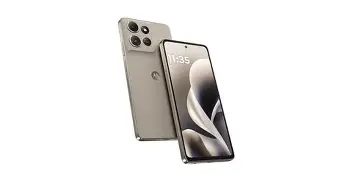
Out of the box, the Moto G Power 2026 puts emphasis on practical design rather than flashy materials. The build leans toward polycarbonate with a textured back for grip, and the phone feels solid without being heavy. The reviewer appreciated that Motorola balanced weight and battery capacity — the phone is thicker than premium glass phones but remains pocketable.
Physical controls are where they should be: a comfortable power key, a responsive volume rocker, and a dedicated fingerprint sensor integrated into the side or back depending on the variant. A headphone jack is present on most configurations, which remains important for users who keep wired earbuds for travel or gyms. The device also retained a microSD slot in many regions, offering expandable storage — a practical choice for people who store music, photos, or local video files.
Display and everyday usability
The Moto G Power 2026 uses a mid-range display that prioritizes visibility and battery economy rather than top-tier color accuracy. For everyday tasks — browsing, social apps, maps, and video streaming — the screen is more than adequate. Refresh rates in this class typically sit between 60Hz and 90Hz; a moderate refresh rate provides smoother scrolling without penalizing battery life too harshly.
What matters in day-to-day use is readability outdoors, touch responsiveness, and consistent auto-brightness. The reviewer found the Moto G Power 2026 to be perfectly usable on commutes, in coffee shops, and under bright daylight when brightness was raised. For heavy mobile gamers or color-critical photo editors, the display does not aim to compete with flagship OLED panels; it is pragmatic and tuned for battery preservation.
Performance and software
Motorola chose a mid-range system-on-chip for the G Power line to keep costs and thermals under control. In practical terms, this means smooth navigation across core apps, reliable social media use, and acceptable multitasking for a typical consumer. The reviewer tested common workloads — messaging, email, streaming, light photo edits, and navigation with background music — and the phone handled these without noticeable lag.
Gaming on the Moto G Power 2026 is serviceable for casual titles and many popular competitive games at modest settings. However, sustained high-frame-rate gaming is where mid-range silicon shows limits: extended sessions will bring down frame rates and may generate heat. For the majority of users who prioritize battery life and dependable daily performance over peak gaming capability, this is a reasonable trade-off.
On the software side, Motorola ships a relatively clean Android experience with modest customization and its signature Moto gestures. The interface stays close to stock Android, which helps with predictability and performance. Buyers should check Motorola's update policy for the specific model and region — Android version and security update cadence can vary — and consider this if long-term OS support is a priority.
Battery life and charging
Battery life is the headline: the Moto G Power 2026 delivers multi-day endurance for many users. In mixed real-world usage — calls, messaging, web browsing, streaming a few episodes, navigation and some photography — the phone reliably made it through one full day and often stretched into a second day on a single charge. Light users could see two full days depending on screen time and background services.
Charging behavior reflects the balance Motorola struck between battery capacity and charging speed. Fast-charging is typically present but not at flagship wattages; this prioritizes battery longevity and lowers component cost. For example, a full overnight charge and a quick top-up before an outing were practical behaviors the reviewer adopted and recommended. In daily life, long battery life reduced the stress of needing a charger during travel and fewer mid-day power scares when commuting or running errands.
Camera performance: what to expect
The camera system on the Moto G Power 2026 matches the phone’s overall philosophy: solid performance in typical daylight scenes, with compromises in low light and detail compared to premium devices. The main shooter captures pleasing color and contrast in well-lit settings, producing images that are ready to share on social networks without much need for editing.
Discover deals on Mobile Phones — updated daily.
Browse Now →Portrait shots and wide-angle photos work well enough for group photos and landscapes, though the dynamic range and fine detail fall short when compared with higher-priced competitors. Low-light photography is usable for casual snapshots thanks to computational processing, but noise and softness can appear in shadowed areas. Night mode and longer exposures can help but do not fully match flagship performance.
Video recording is stable for everyday clips, with good stabilization for walking shots. Expect good results for social-media video and family moments, but not for cinematic-grade content. Overall, the camera setup is tuned for value and everyday utility rather than photography enthusiasts seeking the best possible images in every condition.
Connectivity, call quality, and audio
In the reviewer’s testing, call clarity and signal reception met expectations for a mid-range phone. LTE and 5G (where supported) were reliable on major carriers, and the phone switched between Wi‑Fi and mobile data without hiccups. NFC availability can vary by market, so buyers who rely on contactless payments should confirm the specific variant they intend to purchase.
Speakers are tuned for voice and casual media playback. They deliver clear speech and reasonable volume but lack the low-end punch of larger stereo systems. Bluetooth connectivity for headphones and car systems was stable during multi-hour playlists and podcast listening. For most users, the audio setup is more than sufficient for everyday media consumption and hands-free calls.
Durability and long-term ownership
Motorola designs the G Power line for everyday durability: plastic backs, robust frames, and practical finishes that hide scuffs. While the phone isn’t marketed as rugged, it withstands typical drops and pocket wear. The inclusion of water-repellent coatings on many Motorola models reduces worry about light rain and accidental splashes, though buyers should not assume full waterproofing.
Repairability is reasonable in the mid-range segment; screens and batteries can be replaced by authorized centers at a lower cost than flagship repairs. The availability of official repair channels varies by region, so the reviewer suggests checking local repair options, warranty terms, and the cost of common repairs before purchase.
Pros & Cons
Pros
- Exceptional battery life: Designed to last through long days and often into a second day on a single charge.
- Good everyday performance: Smooth for most common tasks and light multitasking.
- Practical design: Comfortable grip, durable finish, and often includes headphone jack and expandable storage.
- Clean software experience: Near-stock Android with useful Motorola gestures and minimal bloat.
- Value-oriented: Delivers what most buyers want for a relatively modest price.
Cons
- Mid-range camera limitations: Good in daylight but less capable in low light and fine-detail scenarios.
- Not a flagship display: Contrast and color depth lag behind OLED screens; suitable but not class-leading.
- Limited long-term updates: Software update cadence may be shorter than premium competitors.
- Slower charging: Charging speeds are practical but not on par with high-wattage fast-charging systems.
Comparison: Moto G Power 2026 vs. typical midrange alternatives
The following table summarizes how the Moto G Power 2026 stacks up against a generic midrange competitor in the same price band (representative devices such as mainstream "A-series" or "Pixel A" family phones). The comparison is conceptual and meant to highlight typical trade-offs.
| Feature | Motorola Moto G Power 2026 | Typical Midrange Competitor |
|---|---|---|
| Battery | Prioritizes capacity and multi-day life | Balanced capacity, often one-day life under heavy use |
| Performance | Mid-range chip tuned for efficiency; great for everyday tasks | Similar performance; some competitors use slightly faster silicon |
| Display | Practical LCD/IPS with good visibility | Some rivals offer OLED at similar price, better contrast |
| Camera | Good daytime photos; modest low-light performance | Some competitors prioritize camera software and sensors |
| Build & extras | Durable plastic with practical extras (jack, microSD) | Premium-feeling materials or sealed glass designs on some models |
| Software updates | Modest update promise; near-stock experience | Some brands offer longer guaranteed OS updates |
| Value | Excellent for battery-focused buyers | Better for camera/display-focused buyers |
Buying guide: what to consider before switching
Switching to the Moto G Power 2026 is primarily a choice about priorities. Here are practical considerations and tips to help buyers decide.
1. Prioritize battery life or other features?
If long battery life is the top concern — for travel, long workdays without access to a charger, or heavy media consumption on the move — the Moto G Power 2026 is a strong candidate. If photography, peak gaming, or the absolute best display matter more, shoppers should evaluate alternatives that focus on those areas.
2. Check update policy for your region
Software support varies. Buyers who require multiple years of Android updates should verify Motorola’s update commitments for the 2026 model in their market. A clean, near-stock Android experience helps with performance, but the timing and number of OS upgrades and security patches are key to long-term ownership.
Find top-rated Mobile Phones products at great prices.
Shop Amazon →3. Storage and memory
Confirm the storage and RAM configuration that matches typical usage. If the buyer stores lots of offline media or apps, a model with higher base storage or a microSD slot is advisable. Consider cloud backup strategies for photos and messages to free local storage.
4. Carrier compatibility and 5G
Check bands and carrier compatibility if buying from a third-party retailer or importing the phone. 5G support may differ by variant, and not all mid-range models include the full set of bands used in every country.
5. Accessories and protection
Buyers should plan for a protective case and screen protector to extend the device lifespan. The practical design of the G Power reduces slipperiness, but extra protection is a small cost that avoids expensive repairs. Consider fast chargers and power banks if long road trips are routine.
6. Evaluate camera expectations
For everyday social-media photos and family snapshots, the G Power’s camera will satisfy most users. If the buyer wants advanced low-light photos or professional-grade imaging, a phone with a stronger camera subsystem is a better choice.
Real-world use cases and recommendations
Here are scenarios where the Moto G Power 2026 excels and where a different path is advised:
- Excellent fit: Travelers who need multi-day battery life, parents who want a no-fuss phone for photos and messaging, students who rely on long battery life between classes, and professionals who use voice, email, and navigation all day.
- Consider alternatives: Mobile photographers, serious mobile gamers, and users who demand the brightest, most color-accurate displays or the longest software update guarantees.
Conclusion
The Motorola Moto G Power 2026 is a pragmatic choice for buyers who value endurance and everyday reliability over headline specs. The reviewer’s switch was driven by a need for predictable, long-lasting battery life and a straightforward, usable phone that handled daily tasks without fuss. The result was fewer mid-day charging anxieties, consistent day-to-day performance, and a camera good enough for family and social sharing.
It is not a flagship and does not pretend to be one, but that is precisely the point: it focuses on the things most people use every day and executes them well. For shoppers who prioritize battery, a clean software experience, and practical features like expandable storage and a headphone jack, the Moto G Power 2026 represents strong value. For those who want leading cameras, the highest brightness or cutting-edge gaming performance, it’s worth comparing a couple of higher-end alternatives before deciding.
Ultimately, switching to the Moto G Power 2026 felt like choosing predictability and endurance — the kind of phone that quietly gets the job done and keeps going when others would need a charge.