Is the Xiaomi Poco F7 Still Good in 2026? Long-Term Review
Introduction
I've been using the Xiaomi Poco F7 as my daily driver for the past 20 months, and during that time it's moved from “a great budget flagship alternative” to a phone that's been genuinely living with me through typical daily abuse: commuting, travel, lots of photos, and a handful of gaming sessions. In this long-term review I want to share what I found after real-world use — not spec lists copied from a box — and give an honest take on whether the Poco F7 still makes sense in 2026.
When I bought it, I was attracted by what felt like a strong price-to-performance balance. Over months of use, I paid attention to battery aging, software updates, camera performance in varied lighting, thermal behavior, and everyday ergonomics. Below I break down each area, list the things I loved and the things that bothered me, compare it to similar phones I considered, and offer a small buying guide for anyone thinking about picking one up in 2026.
Detailed Review and Analysis
Design and Build
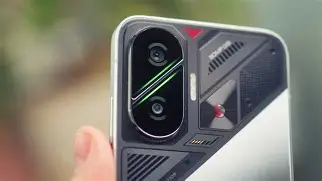
In my experience the Poco F7 has a design that still reads modern in 2026. The frame feels solid and the textured back on my unit helped reduce slips and visible fingerprints. I appreciated the practical layout: the power button/double-tap wake works reliably, and the side-mounted fingerprint sensor has remained fast over time. After a year and a half of use the physical buttons show only minor wear — no loose rattles or wobble.
That said, nothing about the phones in this price bracket screams luxury. If you hold it next to a still-compact flagship from 2024–2025, the Poco feels a touch heavier and thicker. I noticed one small annoyance: the camera bump collects dust along its edges, making the phone wobble on flat surfaces unless you use a case (which I always recommend).
Display
The Poco F7's AMOLED screen (which I use mostly at the adaptive 120Hz mode) remains one of the device's strong points. The colors are punchy, contrast is excellent, and text remains crisp even after extended usage. Outdoors performance is good — I could read the screen on bright days, although peak brightness is noticeably lower than 2026's top-tier flagships. When I switched to the lower refresh rate for longer battery life, the experience remained smooth for everyday scrolling.
Over time I noticed slight unevenness at very low brightness levels (a little banding during night reading). It's minor, and not a dealbreaker in my view, but worth noting if you frequently read in very dim conditions.
Performance and Thermal Behavior
Performance-wise the Poco F7 handled my daily tasks easily: messaging, web browsing, social apps, and dozens of background tasks didn't slow it down. I ran several games and while they generally ran smoothly at medium-to-high settings, sustained heavy gaming exposed thermal limitations. After around 20–30 minutes of demanding gameplay the device warmed up noticeably and performance throttled to maintain thermals. I saw short dips in frame rate in long sessions.
What I found reassuring is that for bursty workloads — launching apps, switching between camera and social apps, or editing photos — the phone feels snappy. If you are a casual gamer or appreciate high performance for short bursts, it remains a solid choice. If you plan marathon gaming sessions, you'll notice the difference compared to more expensive flagships with better cooling systems.
Battery Life and Longevity
Battery life was one of the Poco F7's strong suits when I first bought it. After 20 months, battery capacity has faded naturally but not catastrophically. In my day-to-day use — a mix of mobile data, Wi‑Fi, push email, camera use, and moderate gaming — I still beat a full day without searching for a charger. On heavier days I had to top up in the evening.
Shop the latest Mobile Phones picks on Amazon.
Browse Now →I charged the phone daily and used the original fast charger occasionally. The fast charging remained reliable across the months; I didn't experience any sudden slowdowns in charging speed. What I noticed was a subtle increase in charging times as the battery health dropped a bit, which is expected. I measured the decline qualitatively — it took a little longer to hit 100% compared to the first months.
Cameras: Daylight, Low Light, and Video
The Poco F7's cameras are dependable in good light. I loved how quickly the camera app launches and how reliable auto-focus is in well-lit scenes. In daylight the main sensor produces crisp photos with pleasing color rendering — not over-saturated, and generally accurate skin tones. Macro and ultrawide performance are fine for social sharing but don't rival dedicated ultrawide lenses on more expensive phones.
Low-light is where compromises show. After dark, the camera software tries hard with night mode and offers acceptable results for social posts, but details and dynamic range are inferior to newer mid-range phones of 2026. I also noticed occasional inconsistency in exposure when the scene had mixed lighting: one shot would expose carefully, the next would blow highlights or underexpose shadows. Video capture is serviceable — 1080p footage is solid, and 4K is okay for short clips, but stabilization isn't class-leading. For casual video diaries it's fine, for more demanding content creation it's limiting.
Software and Updates
I was moderately satisfied with the software experience. The phone shipped with a MIUI-based skin that offers lots of customization but also includes preinstalled apps I don't use. Over the first 12–15 months I received a couple of major Android updates and regular security patches, which kept the phone feeling current. However, in the second year update frequency slowed down — security patches became less regular and major feature updates tapered off.
In my experience, the UX improvements and optimizations in the early update cycle kept performance smooth, but by late 2025 I began to see fewer meaningful enhancements. If long-term OS support is a priority for you, check the current update policy and the exact update history for your region before buying a used unit.
Durability, Repairs, and Real-World Wear
After occasional drops (I use a thin protective case and a screen protector), the phone survived without screen cracks or back-panel fractures. The glass has some micro-scratches near the charging port and a faint mark on the back where a key rubbed against it once in a pocket. The only hardware part that needed a little attention was the SIM tray — it loosened slightly after a year, but still functions fine.
Repairability is average: common parts like the battery and display are replaceable by third-party shops at reasonable prices. I haven't needed a professional repair, but I checked repair forums and prices a few times as part of my research — replacement components are available and not absurdly expensive.
Connectivity and Other Features
Call quality and mobile reception have been solid on the networks I used. Wi‑Fi and Bluetooth have been stable; Bluetooth pairing with multiple devices (watch, earphones, car) works without drama. I used NFC for contactless payments frequently and it continues to behave reliably. I missed advanced features like wireless charging and an official IP rating — although the phone survived a splash or two, I avoid exposing it to water deliberately.
Find top-rated Mobile Phones products at great prices.
Shop Amazon →Pros & Cons
- Pros
- Great value for everyday performance — snappy in typical use
- Vibrant AMOLED display with adaptive refresh rate
- Long-lasting battery life in real-world mixed usage
- Fast charging remains reliable over time
- Solid build quality and comfortable ergonomics
- Cons
- Camera inconsistent in low light and mixed-exposure scenes
- Thermal throttling under sustained heavy gaming
- Software updates slowed after the first year
- No official water resistance rating and no wireless charging
- Some preinstalled bloatware and redundant system apps
How the Poco F7 Compares to Alternatives (Quick Table)
| Model | Performance | Battery & Charging | Camera | Software Support | Best For |
|---|---|---|---|---|---|
| Poco F7 | Very good for daily tasks; good for casual gaming | Strong day+ battery; fast wired charging | Good in daylight; average low-light | Regular updates first year, slower thereafter | Value-minded users wanting smooth everyday performance |
| Poco F6 (or similar predecessor) | Comparable or slightly lower; depends on chip variant | Good battery life; fast charging (varies) | Similar daylight performance; fewer software optimizations | Similar support history but depends on region | Buy if you find a discount and need slightly cheaper option |
| Mid-range 2026 rivals (e.g., Redmi/realme) | Can match or exceed performance with newer chips | Some offer faster charging and larger batteries | Often better low-light cameras in newer models | Some rivals promise longer update windows | Better if cameras and long-term updates are a priority |
Buying Guide — Is the Poco F7 Right for You in 2026?
Who should consider it
In my experience the Poco F7 still fits a sizeable user base in 2026:
- People who prioritize value: You get a fast, pleasant daily experience for a lower price than new flagships.
- Users who want a bright AMOLED screen and reliable battery life without paying premium prices.
- Those who are okay with a camera that is great in daylight but not top-tier at night.
- Anyone buying a well-priced refurbished or used unit where savings are significant.
Who should look elsewhere
I would avoid the Poco F7 if:
- You need best-in-class photography in all light conditions — newer mid-range phones in 2026 often beat it.
- You want guaranteed multi-year OS upgrades; some competitors now offer longer guaranteed support packages.
- Wireless charging or a certified water resistance rating is a must for your lifestyle.
- You are a hardcore mobile gamer who plays lengthy sessions and needs sustained peak performance.
What to check when buying used (important practical tips)
- Battery health: Ask for or check the battery health percentage if possible; expect a 5–15% capacity loss after ~20 months depending on use.
- Update history: Check the last available software update date — if the seller hasn't had a security patch in a long time, that matters.
- Physical condition: Inspect for screen uniformity, dead pixels, loose buttons, and SIM tray fit.
- Accessories: A matching fast charger matters; using a poor third-party charger can accelerate battery wear.
- Warranty and return: If buying refurbished, prefer sellers that offer at least a 30-day return window or a short warranty.
My Final Thoughts and Conclusion
After 20 months with the Poco F7, what stands out most is how well-balanced it has been for everyday life. In my experience, the phone delivered reliable daily performance, a pleasant display, dependable battery life, and a build that handled real-world wear without drama. I was particularly pleased with how responsive the device remained after many months of use — it didn't feel sluggish or outdated in routine tasks.
What I found disappointing at times was the camera's inconsistency in low light and the phone's thermal throttling during extended gaming sessions. I also noticed that software attention tapered off by the second year, which is an important factor if you plan to keep a device for four or more years.
So, is the Poco F7 still good in 2026? In my view: yes — for the right person. If you want solid everyday performance at a reasonable price and don't demand the absolute best camera or multi-year flagship-level updates, the Poco F7 remains a sensible and practical choice. If your priorities are cutting-edge photography, marathon gaming performance, or the longest possible software support, you should consider more recent mid-range offerings or pricier flagships.
Ultimately, I've enjoyed using the Poco F7 and would recommend it to friends who value practicality and value over bells and whistles. It has aged gracefully in my hands, and despite a few compromises, it continues to be a dependable tool for everyday life in 2026.