The Ultimate Setup Guide for Your Razer Blade 18 2025
The Razer Blade 18 2025 arrives as Razer’s statement laptop for users who need a large, high-performance portable workstation that still feels refined. Whether the goal is high-frame-rate gaming on an expansive panel, video editing on a deadline, or running heavy modeling and simulation workloads, the Blade 18 targets buyers who prioritize a premium build, color-accurate display, and desktop-class performance in a single chassis. This guide walks through what to expect from the Blade 18 2025, how to set it up for different real-world use cases, and the practical trade-offs buyers typically face.
Introduction: who the Blade 18 is for
The Blade 18 is aimed at a few overlapping audiences: gamers who want a large display and desktop-level components, content creators who need color accuracy and compute for rendering, and power users who prefer a single machine for demanding productivity tasks. Buyers typically care about raw performance, thermal behavior (sustained performance under load), display quality (refresh rate vs. color accuracy), input ergonomics, port selection, and the trade-offs around weight and battery life. This article focuses on setting up the laptop to match those priorities and getting the most practical performance and longevity from the machine.
Product analysis: design, hardware, and build quality
Design and chassis: The Blade 18 continues Razer’s tradition of a minimalist, CNC-milled aluminum chassis with precise finishing. Expect a sturdy hinge, a roomy keyboard deck, and a large trackpad. The larger footprint gives more space for cooling, but buyers should anticipate a heavier carry weight compared with 15–16-inch models. The larger size, however, improves thermal headroom and often enables higher sustained performance.
Display: The key selling point of an 18-inch laptop is the display. The Blade 18 2025 typically pairs a big 18.x-inch panel with options for high refresh rates (240 Hz+) and high-resolution/creative-grade panels (QHD or 4K with wide color gamut and factory calibration). Gamers may prioritize higher refresh rates and adaptive sync; creators will value HDR, wide DCI-P3 coverage, and accurate Delta E figures. The balance between refresh rate and color fidelity is a common buyer trade-off.
CPU and GPU: Modern Blade models ship with top-tier mobile CPUs from Intel or AMD and NVIDIA RTX-class GPUs. In practice, that means desktop-class performance for single-threaded tasks and excellent multi-core throughput for rendering if configured with high-end options. GPU performance is what determines gaming framerates and GPU-accelerated render/export times for creators.
Thermals and noise: The Blade 18’s large chassis improves cooling potential, but high-end silicon still generates significant heat. Razer typically tunes for a balance between performance and acoustics; users should expect fan noise under load. Thermal throttling can be managed through software profiles and sensible environmental choices.
Ports and expandability: The larger chassis usually includes a generous port selection: multiple USB-A/USB-C ports (including Thunderbolt where applicable), HDMI 2.1 or better for high refresh external displays, an Ethernet jack on some SKUs or via adapter, and a full-size SD card reader in creator-oriented models. Internal expandability is commonly limited to RAM and storage slots; confirm serviceability if upgradeability matters.
Real-world performance expectations
In gaming, the Blade 18 2025 performs well at high refresh rates at 1440p and is capable at 4K with adjusted settings. Creators will see shorter export times and real-time playback for high-res timelines when using GPU-accelerated codecs. For software developers and engineers, the machine handles local containers, virtual machines, and large codebases comfortably. Battery life, however, is typically modest when compared to ultrabooks—expect a few hours of mixed productivity, and plan to use the power adapter for sustained heavy workloads.
Find top-rated Laptops & Computers products at great prices.
View Offers →Initial setup checklist
Before diving into optimizations, perform an initial setup with these practical steps:
- Update Windows to the latest stable build via Settings → Update & Security.
- Install Razer Synapse (or the latest system utilities) from Razer’s support site to manage lighting, performance profiles, and firmware updates.
- Install the latest GPU drivers directly from the GPU vendor. For NVIDIA GPUs, use the official NVIDIA driver downloads; choose Game Ready or Studio drivers according to primary use (gaming vs. creative apps).
- Update firmware and BIOS only with official Razer releases and during low-risk times—avoid critical work during firmware updates.
- Create a system recovery drive and enable File History or a backup solution to secure important work.
Optimization by use case
For gamers
Gamers should focus on balancing thermals, framerate targets, and input latency.
- Choose the display mode that matches priority: 240 Hz for competitive FPS, QHD/4K for detailed visuals in open-world titles.
- Use NVIDIA Control Panel or similar to set preferred power management (prefer maximum performance for gaming profiles).
- Create a "Game" performance profile in Razer Synapse or your system utility that raises fan curves under load while tuning CPU/GPU power limits if thermals are an issue.
- Keep background apps to a minimum—disable unnecessary startup processes that steal CPU cycles.
- For online gaming, ensure Wi‑Fi drivers are updated and consider wired Ethernet for the lowest latency when possible.
For content creators
Creators need color accuracy, consistent performance, and fast storage.
- Calibrate the display using a hardware colorimeter for best results; factory calibration is a helpful starting point but often benefits from user calibration.
- Install Studio or Creator-targeted drivers and software (e.g., GPU Studio drivers, color profiling tools, codec packs) to stabilize creative workflows.
- Set power plans to favor sustained performance during long renders; connect the laptop to power for any heavy export session.
- Consider adding or configuring fast NVMe storage for active projects and a larger secondary drive for archives.
- Enable GPU acceleration in apps (Premiere Pro, DaVinci Resolve, Blender) and verify CUDA/OptiX settings for rendering speedups.
For professional workloads and development
For engineers and developers running local VMs, CI jobs, or data analysis, reliability and thermal stability are essential.
- Use balanced thermal profiles that prioritize sustained multi-core performance rather than peak single-core bursts, reducing thermal throttling.
- Increase RAM and NVMe capacity if frequently working with large datasets or many simultaneous containers.
- Keep a separate external monitor and docking station for long coding sessions to improve ergonomics and airflow around the machine.
- Schedule heavy tasks when plugged in and ensure the cooling intake/exhaust areas remain unobstructed.
Practical long-term maintenance
Maintaining a high-end machine preserves performance and resale value.
- Regularly clean vents and fans—compressed air every few months depending on environment and usage.
- Monitor thermal paste and consider reapplying after several years if thermal performance noticeably drops.
- Keep drivers and firmware up to date but avoid rushing into the latest beta firmware during important work cycles.
- Use a quality surge protector for power stability and battery longevity; avoid keeping the battery at 100% all the time—use built-in battery health modes where available.
Pros & Cons
- Pros:
- Large, immersive display ideal for gaming and content creation
- Premium build quality and metal chassis
- Desktop-class performance in a portable form factor
- Good port selection for docks, external displays, and media workflows
- Strong accessory ecosystem (keyboards, docks, external GPUs where supported)
- Cons:
- Heavier and bulkier than 15–16-inch alternatives—less ideal for frequent travel
- Battery life is limited under heavy load
- Thermals can still lead to fan noise during sustained peak workloads
- Repairability and upgradability are limited compared with modular desktops
- Premium price places it near compact desktops for budget-conscious buyers
Comparison table: Razer Blade 18 2025 and alternatives
| Model | Display | Typical CPU/GPU | RAM/Storage | Weight | Best for |
|---|---|---|---|---|---|
| Razer Blade 18 (2025) | 18" high-refresh / QHD or 4K options, wide color gamut | High-end mobile CPU + top-tier RTX-class GPU | 16–64 GB RAM, NVMe up to multiple TB | ~3.0–3.5 kg (varies by config) | Gamers & creators wanting one powerful portable machine |
| MSI Titan (18") | 18" focused on performance, high refresh | Similar high-end CPU/GPU options, aggressive cooling | Up to 64 GB+, multiple NVMe slots | Heavier than Blade; often >3.5 kg | Users prioritizing maximum sustained performance |
| Dell Alienware m18 | 18" gaming panel, competitive refresh rates | Top mobile CPUs and GPUs, unique thermal designs | 16–64 GB, NVMe options | Similar weight class, often more aggressive styling | Gamers who value distinctive design and thermal headroom |
| Razer Blade 16 (smaller) | 16" high-refresh or OLED creative panels | Same generation CPUs/GPUs in smaller chassis | Up to 32–64 GB RAM, NVMe | ~2.2–2.6 kg | Users who want portability with premium performance |
Buying guide: what to prioritize
When selecting a configuration of the Blade 18 2025, the optimal choices depend on primary usage.
Display
If gaming is the primary use, prioritize higher refresh rates (240 Hz or more) for fluid motion, especially at 1440p. For creative work, prioritize panel quality—higher resolution, wider color gamut (DCI-P3), and factory calibration are more valuable than raw refresh. If both are important, choose a high-refresh QHD panel that balances color and framerate.
Looking for the best Laptops & Computers deals on Amazon?
View Offers →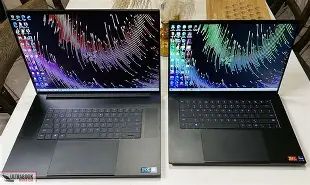
GPU
GPU selection is crucial: a more powerful GPU provides longer relevance for gaming and dramatically speeds up GPU-accelerated creative tasks. For sustained high-frame-rate play at high resolutions or serious rendering work, choose the top-tier GPU option available in the SKU line-up.
CPU
Choose a balanced CPU with strong multi-core performance if rendering and compilation are part of daily workflows. If the focus is single-threaded gaming performance, prioritize higher single-core turbo speeds.
Memory and storage
16 GB RAM is the minimum for modern workflows; 32 GB or 64 GB is recommended for heavy multitasking, large creative projects, or professional software. NVMe SSDs matter: a fast primary drive improves boot times and application responsiveness; a second slot for project files can be very helpful.
Ports and accessories
Confirm the presence of Thunderbolt/USB4 for high-speed docks and external GPUs, and ensure the HDMI port supports the intended external monitor refresh rates and resolutions. Consider a docking station or a multi-port hub if the workflow involves several external monitors and peripherals.
Warranty and support
Given the premium price and the concentration of high-end components, choose an extended warranty or accidental damage protection if mobility or heavy daily travel is expected. Check local service options for timely repairs.
Final tips for real-world use
- Set up profiles: Create distinct performance/thermal profiles for gaming, content creation, and quiet desktop work so the machine behaves predictably as contexts change.
- Ergonomics: Use a laptop stand and external keyboard for long creative or development sessions to improve posture and airflow.
- External storage: Use a fast external NVMe enclosure for project archives or active media bins; it saves internal capacity for the OS and apps.
- Networking: For multiplayer or remote work, prefer wired Ethernet when possible—large panels and heavy workloads make it more convenient to keep the laptop docked.
- Resale planning: Keep original packaging and document upgrades—these items preserve resale value.
Conclusion
The Razer Blade 18 2025 is positioned as a premium, high-performance laptop that bridges the gap between desktop capability and portable convenience. Its large display and high-end internals make it a compelling choice for serious gamers, creators, and professionals who want one machine to handle demanding tasks. The trade-offs—weight, battery life, and price—are real, but careful configuration and thoughtful setup can mitigate many of them. By following the setup steps and optimization recommendations in this guide, owners can tailor the Blade 18 to their specific needs and extract consistent, sustained performance for years of use.