The Ultimate Showdown: Manfrotto One vs Sony A7 V for 2026
Category: Cameras
Introduction
In 2026, photographers and content creators face a familiar decision: invest in camera gear that improves capture quality, or invest in accessories that improve how footage looks in the hands of the creator. The Manfrotto One and the Sony A7 V sit on different sides of that spectrum. The Sony A7 V is a high-end, full-frame hybrid mirrorless camera designed for photographers and filmmakers who demand image fidelity and advanced autofocus. The Manfrotto One, meanwhile, is an accessory-focused product—built to stabilize, support, or speed up setup—targeting creators who prioritize stability, portability, and reliable mounting solutions.
This article compares the two through the lens of real-world use cases, common buyer concerns, and workflow impact. It is not a head-to-head spec war between like-for-like products; rather, it is a practical guide to understanding how each item contributes to a photographer’s or videographer’s toolkit and how to decide which one matters most depending on the job.
Quick snapshot: what each product brings to the table
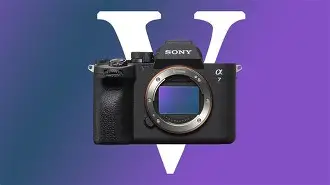
Sony A7 V is a fully featured camera platform. It provides high-resolution full-frame capture, advanced autofocus and subject tracking, comprehensive video codecs, professional connectivity options, and a lens ecosystem that supports nearly any photographic application.
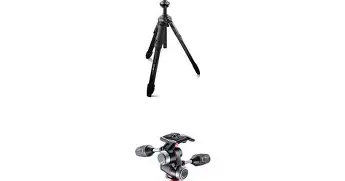
Manfrotto One is a tool designed to improve capture stability and handling. Whether conceived as a compact tripod, gimbal-style stabilizer, or hybrid support system (depending on the version), Manfrotto’s products typically focus on build quality, quick deployment, and compatibility with multiple devices—smartphones, small mirrorless cameras, and accessories like lights and microphones.
Detailed analysis: how they affect real-world shooting
Image quality and capture capability (Sony A7 V)
The Sony A7 V’s core value is image capture. In practical terms, that means better dynamic range in challenging light, cleaner high-ISO performance for low-light work, and higher-fidelity stills and video than most smartphones or older mirrorless bodies. For wedding photographers, event shooters, landscape photographers, and hybrid creators who switch between photo and video during the same job, the A7 V brings predictable, repeatable results.
Real-world buyers care about consistency: the ability to lock focus on a moving subject, retain color accuracy under mixed lighting, and produce deliverable footage that requires less post-processing. The camera’s ergonomics, menu system, battery life, and lens choices also translate into operational speed on set—elements professionals value highly.
Stability, framing, and workflow (Manfrotto One)
Stability and how a shot is framed can make or break a production, regardless of the sensor behind it. A compact support system like the Manfrotto One reduces camera shake, enables long exposures, and facilitates smooth pans and tilts for video. For solo creators, travel shooters, and journalists, quick setup and a small footprint are essential. Manfrotto’s offerings are known for fast-locking mechanisms, sturdy joints, and accessories that speed up rigging.
Buyers who frequently shoot handheld interviews, run-and-gun video, time-lapse sequences, or solo vlogs often value a reliable support tool early in their shopping list. A stabilization solution can improve usable footage dramatically, even if the sensor isn’t top-of-the-line.
Shop the latest Cameras & Photography picks on Amazon.
View Offers →Hybrid workflows: why both are often necessary
In many real-world workflows, the best results come when a capable camera and a good support system are used together. A Sony A7 V mounted on a Manfrotto One (or other Manfrotto support) benefits from both excellent capture and stable delivery. This combination is particularly relevant for:
- Documentary shooters who move quickly between handheld and tripod setups.
- Content creators producing professional-looking vlogs and sit-down interviews with limited crew.
- Photographers doing long-exposure nightscapes where sensor performance and a sturdy tripod are both essential.
- Event photographers who need fast deployment and the ability to switch between stills and video.
Pros & Cons
Sony A7 V
- Pros:
- Strong overall image and video quality for professional work
- Advanced autofocus and subject tracking for dynamic scenes
- Flexible lens ecosystem and accessories for varied applications
- Hybrid features that support both stills and long-form video
- Cons:
- Higher cost of entry when including lenses and accessories
- Heavier and more complex than compact alternatives—adds to carry weight
- Requires investment in lenses, storage, and batteries for professional reliability
Manfrotto One
- Pros:
- Improves stability and framing quickly and reliably
- Compact and easy to carry for travel and one-person shoots
- Fast setup and durable construction, suitable for professional environments
- Often compatible with multiple cameras and smartphone rigs
- Cons:
- Doesn't affect sensor quality—only supports it
- Some models have payload limits, limiting compatibility with heavier camera + lens setups
- Additional piece of gear to manage and protect in the field
Comparison table
| Feature | Manfrotto One | Sony A7 V |
|---|---|---|
| Category | Support / Stabilization accessory | Full-frame mirrorless camera |
| Primary use | Improve stability, framing, and setup speed | Capture high-quality stills and video |
| Impact on image quality | Indirect—reduces blur and enables composition | Direct—sensor, processor, and lens determine output |
| Portability | High—designed for travel and quick setup | Moderate—depends on lens choices |
| Best for | Travel creators, solo shooters, time-lapse, run-and-gun | Professional photographers, hybrid shooters, filmmakers |
| Cost factor | Lower than a high-end camera system; value multiplies with quality | Higher—camera plus lenses and accessories represent major investment |
Real-world use cases and buyer considerations
Wedding and event photography
For event photographers, the Sony A7 V offers the image quality and autofocus performance to capture decisive moments under difficult lighting. A robust support system like the Manfrotto One becomes essential in situations where long exposures or stable video segments are required—ceremony footage, slow pans during first dances, or low-light group shots. Buyers in this category often prioritize reliability, battery life, backup systems, and quick lens changes.
Travel and landscape
Travel photographers must balance weight and versatility. A compact Manfrotto solution that folds small and supports precise framing can be the difference between a usable long-exposure shot and a blurred one. The A7 V’s sensor performance helps with high-dynamic-range scenes encountered at sunrise and sunset. Buyers here typically prioritize weight, durability, and how the kit performs under weather and transport stresses.
Vlogging and solo content creation
Solo creators value tools that reduce friction. The Manfrotto One’s quick mounting, rechargeable features (if applicable), and integrated controls simplify single-person setups. The Sony A7 V, offering autofocus that locks on faces and eyes, provides professional-looking footage. For many content creators, the practical decision is to buy a reliable stabilization tool first to improve every piece of footage, then upgrade the camera when budgets allow.
Documentary and run-and-gun video
Documentary shooters often operate under constraints—limited crew, unpredictable subjects, and variable lighting. The A7 V’s autofocus and lens selection give creative latitude, while a small support solution enables smoother handheld moves and faster setup for impromptu interviews. Buyers should weigh battery availability, media handling, and ease of rigging when assembling a kit.
Buying guide: how to choose between the two (or buy both)
Choosing between the Manfrotto One and the Sony A7 V is rarely an either/or decision for serious creators. Instead, consider priorities and how each purchase affects daily work.
Step 1 — Define the primary goal
- If the immediate problem is shaky footage that looks unprofessional, start with the Manfrotto One or a similar support solution.
- If consistent image quality, autofocus reliability, and lens flexibility are the bottleneck, prioritize the Sony A7 V.
Step 2 — Consider the workflow
Assess how gear will be used day-to-day. Will work involve lots of travel? Then weight and compactness (both of camera and support) matter. Will it involve long-form interviews or controlled studio work? Then sensor performance, codecs, and stabilization for long takes matter more.
Step 3 — Evaluate upgrade paths
- Manfrotto One typically scales well with other accessories: ball heads, quick-release plates, and mounting options can be added over time.
- The Sony A7 V’s value increases with lenses: investing in one or two high-quality lenses often yields more immediate image quality gains than multiple bodies.
Step 4 — Budget allocation
New buyers should balance initial investment between a camera body, at least one versatile lens, and stabilization. A practical approach is to ensure basic stabilization is in place before buying an expensive telephoto lens: stabilization boosts the usability of existing gear.
Step 5 — Check compatibility and payload
When pairing a camera like the Sony A7 V with a support product, verify payload ratings. Some compact stabilizers and tripods are intended for smartphones or very small mirrorless bodies—not heavier full-frame camera assemblies with large lenses. Confirm the Manfrotto One (or any support) supports the weight and scale of the A7 V with lenses that will be used.
Shop the latest Cameras & Photography picks on Amazon.
Browse Now →Step 6 — Prioritize durability and serviceability
Professionals want gear that survives travel and heavy use. Manfrotto’s reputation for durable fixtures is a factor, as is Sony’s service network and availability of spare parts and batteries. Consider warranty, repair options, and local support when making a purchase decision.
Accessories and complementary gear to consider
Whether buying a camera or a support, certain accessories improve outcomes quickly:
- Quality lens(es): A versatile zoom and a fast prime are often more impactful than multiple kit lenses.
- Reliable tripod or support: Even with IBIS, a tripod allows sharper long exposures and stable interviews.
- Spare batteries and fast media: For long shoots, having extras keeps the day running.
- Audio equipment: Good sound elevates video more than small improvements in picture quality.
- Protective cases: To safeguard investments during travel and fieldwork.
Practical recommendations by buyer type
Hobbyist upgrading from smartphone
Start with a compact support like the Manfrotto One to dramatically improve composition and stability. Pairing that with an entry-level mirrorless camera later will yield immediate visible improvements in output.
Professional photographer/videographer
Invest in the Sony A7 V as the core capture device. Buy a Manfrotto-class support that carries the camera safely; prioritize robust tripods or gimbals rated for heavier payloads.
One-person video creator
Balance both purchases over time: a stable support will make every upload look better, while the A7 V will ensure future-proof image quality as the channel grows.
Conclusion
Comparing the Manfrotto One and the Sony A7 V is less about finding a winner and more about understanding roles. The Sony A7 V is a capture platform that determines what is possible technically; the Manfrotto One is a support tool that determines how consistently those possibilities are realized in the field. For most creators, the ideal outcome is a considered combination: use a reliable support to extract the maximum from a capable camera. For those constrained by budget or usage patterns, prioritize the item that fixes the most immediate limitation—stability for shaky footage, or sensor performance for inconsistent image quality.
Ultimately, the smartest investment is driven by the work at hand: the projects a person shoots most often, the environments encountered, and the speed with which results must be delivered. Understanding those needs will lead to a purchase that improves the final product, whether that means starting with a Manfrotto One to make every shot steadier or investing in a Sony A7 V to lift image quality and creative control to a professional level.