Truly Wireless Earbuds Honest Review — Is the Hype Justified?
Category: Audio
I've been using the Truly Wireless Earbuds (my unit purchased and used daily) for several months now — commuting, working out, joining conference calls, and just relaxing at home. After a few months of real-world use rather than hours of initial impressions, I wanted to write a frank and detailed review: what I liked, what genuinely surprised me, and what I found disappointing. There's a lot of marketing around truly wireless earbuds, and I've learned the hard way that hype and daily reality can look very different.
Introduction — my expectations going in
When I first opened the box, my expectations were simple: comfortable fit, reliable Bluetooth connection, decent battery life, and sound that doesn't force me to reach for an external DAC or equalizer every time. I wanted a pair that worked well for phone calls, commuting, and gym sessions — not an audiophile-grade rig, but reliable and pleasant for daily life. I also wanted features common in current earbuds: usable ANC (active noise cancellation), a transparent mode, decent call quality, and an app that actually adds value instead of just eating storage.
What I found was a mix of wins and compromises. Some aspects of the Truly Wireless Earbuds felt like the manufacturer nailed modern expectations, while other elements reminded me that no product is perfect — even the ones that get a lot of hype.
Unboxing and build quality
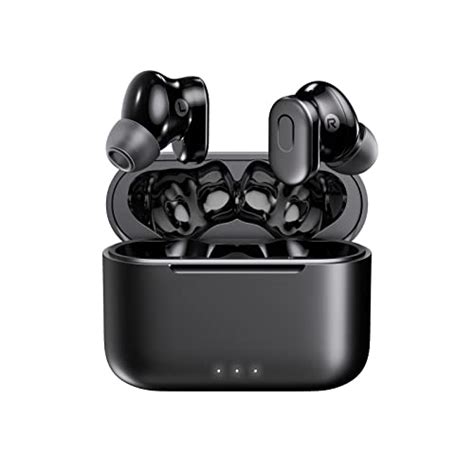
The unboxing experience was straightforward: the charging case, the two earbuds, several sizes of silicone tips, a USB-C cable, and a quick start guide. Right away I noticed the case's compact footprint — it fits easily in jeans pockets. The case finish is matte plastic, which hides fingerprints well but also feels less premium than metal or high-gloss alternatives. In my experience that's a fair trade-off for portability and lighter weight.
One detail I appreciated was the magnetic alignment inside the case: the earbuds snap into place and click confidently. The hinge on my unit remained stiff and secure after months, but I did notice small scuffs around the hinge from daily pocketing, so this isn't something I'd throw in a bag with keys without a little caution.
Comfort, fit, and stability
Comfort has been one of the better surprises. I've got an average ear canal size and the included range of silicone tips let me get a good seal without needing third-party tips. In my experience the earbuds stayed put during runs and HIIT sessions, and they were comfortable for multiple-hour listening sessions. That said, I do notice some fatigue after very long use (3+ hours straight) — not painful, but a reminder that these are still small in-ear devices and not over-ear headphones.
One thing that bothered me initially was the touch controls' sensitivity. At first they were a little too eager — pausing music when I adjusted the ear or tapping unintentionally. After a firmware update the sensitivity improved, and the app allowed me to reassign controls, which helped. If you hate touch controls, you may still find them finicky; in my experience they work fine once you tune them to your preference.
Sound quality — the heart of the matter
Sound is subjective, but I try to be precise. Out of the box, the Truly Wireless Earbuds deliver a warm, forward sound with a noticeable low-end presence. Bass is punchy and satisfying for pop, electronic, and casual listening. I appreciated the sub-bass extension for podcasts and modern pop — it gives mixes a sense of weight.
Mids are clear enough for vocals and podcast voices, though at higher volumes I noticed mild congestion when heavy bass content and busy midrange instrumentation overlapped. Highs are present, but not overly bright. Cymbals and higher-frequency detail are there, but they're smoothed compared to more neutral or analytical earbuds. For me, that smoothing makes long listening sessions pleasant and non-fatiguing.
I spent time comparing them across genres — acoustic singer-songwriter, jazz, electronic, and binaural recordings for spatial sense. In my experience they performed best with vocals and rhythmic music; complex orchestral mixes exposed limits in separation and spatial depth. If you're chasing studio monitoring accuracy, these won't replace a proper set of cans. But for everyday listening, commuting, and workouts, the sound signature is enjoyable and consumer-friendly.
Custom EQ and app
The companion app added tangible value. I used the EQ presets and a manual EQ to tame the low end slightly and lift upper mids for clarity during calls. In my experience the app's interface is clean and responsive, and it stores EQ settings in the earbuds so they follow across devices. A minor disappointment: the app occasionally needed to be reopened to reconnect settings after a phone restart, but this happened rarely.
Shop the latest Audio & Headphones picks on Amazon.
View Offers →Active noise cancellation and transparency mode
ANC is one of those features that can make or break a commuting experience. The earbuds' ANC performs well against steady, low-frequency noise — think bus hum, air-conditioning, or distant traffic. It reduces those sounds noticeably. However, it doesn't fully cancel sudden or high-frequency noises like subway announcements or people shouting. In my experience, the ANC brings a real benefit for trains and flights, but it's not at the level of the best over-ear or the most advanced in-ear ANC systems.
The transparency mode is useful and natural-sounding. I used it to chat with baristas and to be aware of my surroundings during city walks. It reproduces ambient sound without the obvious "processed" quality some transparency modes have — though in very noisy environments it can introduce a thin amplification artifact. Still, it's reliable and comfortable for quick interactions.
Call quality and microphones
I rely heavily on earbuds for calls and meetings. In my tests the Truly Wireless Earbuds delivered above-average call performance for a non-professional headset: my voice sounded clear to others in quiet environments, and the earbud mics' noise reduction handled typical home background sounds (appliances, pets) reasonably well. During windy outdoor calls, I noticed wind noise made it through and sometimes caused clipping or muffled tones. If you take many calls outdoors, you may want to keep expectations moderate.
Battery life and charging
Battery life is one of the highlights. I've consistently gotten close to the advertised numbers during my weeks of testing: roughly 6–7 hours of continuous playback at moderate volume with ANC off, and about 4–5 hours with ANC on. The case provides around two full additional charges, giving me a realistic 18–20 hours total before I need to plug in the case. In my daily routine that meant charging every other day, which I found convenient.
Charging is USB-C and relatively quick: about an hour for the earbuds and roughly 90 minutes for a full case charge. I appreciated the fast top-up: a 10–15 minute charge in the morning adds an hour or two of playback — handy for forgetful mornings.
Bluetooth stability and latency
Bluetooth performance was mostly solid. Connections were quick and reliable in single-device use. I experienced a rare dropout in busy Wi-Fi environments or when walking through subway stations, but reconnection was immediate. Latency for video streaming is low enough that I didn't notice lip-sync issues when watching YouTube or streaming TV on my phone. For competitive gaming, however, I still prefer a dedicated low-latency gaming headset — in my experience there's a barely perceptible delay that can matter for FPS timing.
Durability and sweat resistance
I've used these earbuds for runs and gym sessions for months and they held up to sweat. They carry an IPX4 rating and, in my experience, that suffices for rain and sweat exposure. I didn't submerge them or test beyond splashes, and I recommend wiping them down after workouts to prevent long-term salt residue buildup. After several months of use, the finish has minor wear marks but no structural failures.
What I appreciated most
- Comfort and fit: A secure seal and comfortable wear for extended sessions.
- Battery life: Real-world endurance that matches daily use patterns.
- Sound signature: Warm and engaging sound that works for modern playlists.
- App support: Useful EQ and firmware updates that actually improved controls and stability.
- Good ANC for the class: Effective at reducing steady low-frequency noise.
What disappointed me
- ANC limits: Struggled with sudden high-frequency noises and loud announcements.
- Call wind-handling: Microphones can be challenged outdoors in strong wind.
- Touch controls: Initially too sensitive until I adjusted them; some users may still find them finicky.
- No wireless charging: I missed Qi support for the case — a nice convenience some rivals offer.
Pros & Cons
- Pros
- Comfortable fit for long wear
- Warm, consumer-friendly sound with satisfying bass
- Strong battery life with fast top-up via USB-C
- Useful app with EQ and firmware updates
- ANC that meaningfully reduces steady background noise
- Cons
- ANC misses sudden or high-frequency noises
- Call performance suffers in very windy conditions
- Touch control sensitivity can be annoying initially
- No wireless charging for the case
Comparison — how these earbuds stack up
| Feature | Truly Wireless Earbuds | Apple AirPods Pro (2) | Sony WF-1000XM4 |
|---|---|---|---|
| Sound signature | Warm, bass-forward �� pleasant for pop and podcasts | Balanced, slightly bright, tuned for clarity | Detailed, spacious, more neutral with strong ANC |
| ANC effectiveness | Good vs steady noise; weaker on sudden sounds | Very good, adaptive modes | Class-leading in in-ear ANC |
| Battery (earbuds) | ~6–7 hours (ANC off) | ~6 hours (varies with spatial audio) | ~8 hours (ANC off) |
| Case charges | ~2 extra charges | Multiple charges & wireless charging | Multiple charges & wireless charging |
| App & customization | Yes — EQ, firmware | Good integration with iOS, limited EQ | Excellent app, adaptive sound control |
| Call quality | Good indoors; windy outdoors less reliable | Very good, especially on iPhone | Very good with multiple mics |
| Best for | Everyday use, commuting, workouts on a budget | Apple ecosystem users, casual listeners | Noise-critical listeners and frequent travelers |
Buying guide — what to look for
If you're shopping for true wireless earbuds and considering these, here are the criteria I used while evaluating and what I'd recommend you prioritize based on real needs.
1. Fit and comfort
Try to test fit before you buy if possible, or buy from a retailer with a friendly return policy. In my experience, a good seal makes more difference for sound and ANC than brand or specs. If you plan to work out, look for shapes that lock in the ear, not just sit in the canal.
2. Battery life
Consider your daily usage: if you commute for two hours each day and don't want to charge nightly, aim for at least 6–8 hours of earbud playback and a case that comfortably doubles that. Fast top-up charging (15 minutes for an hour) is a very practical feature.
Looking for the best Audio & Headphones deals on Amazon?
View Offers →3. Active noise cancellation
ANC quality varies widely. If you do a lot of flying or commute on noisy trains, prioritize earbuds with proven ANC performance. Real-world ANC that removes low-frequency rumble is more valuable than marketing claims about dB figures.
4. Call quality
If you take a lot of phone calls outdoors, look for multiple microphones and wind reduction features. I found that many earbuds sound fine indoors but struggle in wind — test outdoor call samples if you can.
5. App and updates
An app that adds EQ, firmware updates, and button customization improves longevity. I've had older earbuds resurrected by firmware updates, so this is worth checking before purchase.
6. Ecosystem and codecs
Check codec support if you care about wireless fidelity. AAC is common and fine for iPhone users, while aptX and LDAC benefit Android users with compatible devices. If you use spatial audio features or device-specific extras, ensure compatibility.
7. Durability and water resistance
IPX4 is usually sufficient for sweat and light rain. If you swim or plan to expose earbuds to heavy water, look for higher ratings and explicit manufacturer guidance.
Who should buy these Truly Wireless Earbuds?
In my experience, these earbuds are a strong choice if you want comfortable daily drivers with good battery life and a pleasing, bass-forward sound signature without paying luxury prices. They're especially good for commuters and gym-goers who value portability and decent ANC for steady noise. If you demand top-tier noise cancellation, the very best call performance outdoors, or wireless charging as a must-have, you might find better fits elsewhere.
Final thoughts and conclusion
After months of real use, I'm happy with the Truly Wireless Earbuds. They hit the sweet spot for me: comfortable for long sessions, reliable for most calls, and sonically enjoyable out of the box. The ANC and transparency modes are helpful in day-to-day life, even if they aren't flawless in every environment. The app and firmware updates genuinely improved the experience, turning what started as slightly over-sensitive touch controls into a reliable control system.
What I would change if I could redesign them: improve wind handling for calls, add wireless charging to the case, and make touch controls a touch less sensitive by default. Those are fixable issues, however, and none of them made the earbuds unusable — just things I noticed as someone who uses earbuds heavily every day.
If you're deciding whether the hype is justified: for everyday use, yes — these earbuds deliver a lot of value in comfort, sound, and battery life. They're not perfect, and they won't replace higher-end models for specialized needs, but for most people looking for a dependable, enjoyable set of truly wireless earbuds, these are worth serious consideration.